Nowruz: The Ancient Persian New Year Celebrating Light, Renewal, and Hope
Nowruz: The Ancient Persian New Year Celebrating Light, Renewal, and Hope
For over 3,000 years, Nowruz has survived empires, borders, and time itself. It is more than a holiday—it is a moment when everything can change.
Each year, at a precise instant, the sun reaches the balance point between darkness and light. Day and night are equal. In that moment, light triumphs over darkness.
What Is Nowruz?
Nowruz, meaning “New Day,” is the Persian New Year, celebrated on the spring equinox around March 20 or 21. Its roots go back to ancient Zoroastrian traditions, long before Islam, Christianity, or most modern civilizations.
The earliest records show Nowruz celebrations during the Achaemenid Empire (550–330 BCE), making it one of the oldest continuously celebrated festivals in the world.
In 2010, UNESCO recognized Nowruz as part of the Intangible Cultural Heritage of Humanity, highlighting its global cultural importance.
The Meaning of Nowruz
Nowruz is more than a holiday—it is an identity.
It transcends religion, ethnicity, and geography. For millions, it is a symbol of resilience, renewal, and unity, preserved through empires, wars, and displacement.
Nowruz reminds us: no matter how harsh the winter, spring always returns.
Core Values of Nowruz
- Renewal – Letting go of the past and embracing new beginnings
- Victory of Light over Darkness – Celebrated through fire festivals like Chaharshanbe Suri
- Purity – Cleaning homes and cleansing the spirit
- Family & Community – Gathering, forgiveness, and reconnecting
- Gratitude – Honoring nature, seasons, and life itself
The Science Behind Nowruz
Nowruz begins at the exact moment of the vernal equinox, when the sun crosses the celestial equator and day and night are perfectly equal.
Ancient Persians were skilled astronomers who calculated this moment with incredible precision—thousands of years before modern technology.
The Persian Calendar: A Scientific Marvel
The Solar Hijri calendar, used to determine Nowruz, is one of the most accurate calendars in the world—more precise than the Gregorian calendar.
It was refined in 1079 CE by the great Persian scholar Omar Khayyam.
- Error margin: 1 day in 3,770 years
- Gregorian calendar: 1 day in 3,300 years
Khayyam calculated the solar year with astonishing accuracy, very close to modern scientific measurements.
The Haft-Seen Table: Symbols of Life
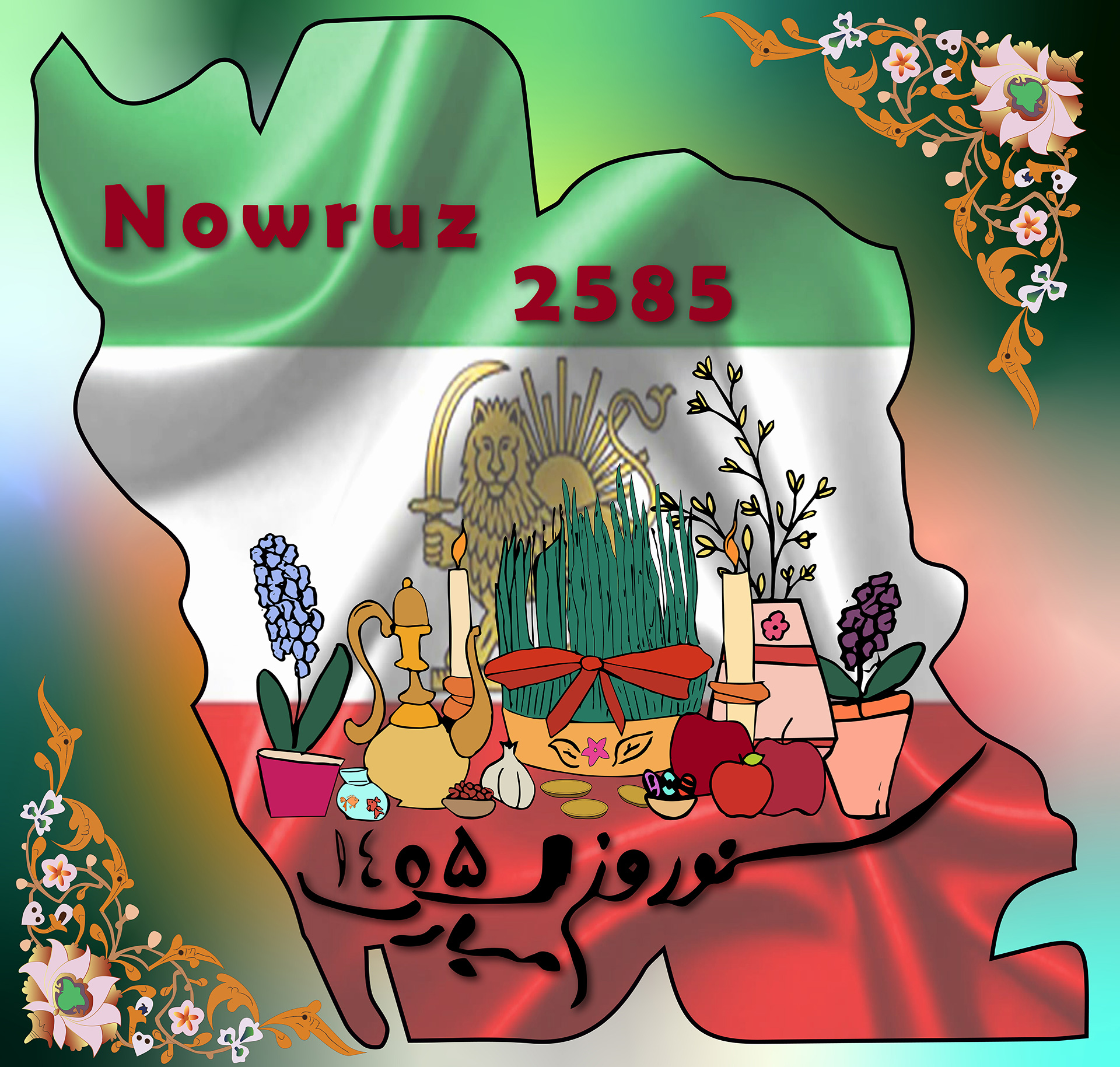
A central tradition of Nowruz is the Haft-Seen table, featuring seven symbolic items starting with the Persian letter “S”:
- Sabzeh (Sprouts) – Rebirth and growth
- Seeb (Apple) – Beauty and health
- Senjed (Oleaster) – Love
- Seer (Garlic) – Medicine and protection
- Samanu – Strength and abundance
- Serkeh (Vinegar) – Patience and wisdom
- Somagh (Sumac) – The color of sunrise
Each item reflects life, balance, and renewal.
Nowruz in Difficult Times
This year, Nowruz comes with mixed emotions. Many Iranians celebrate amid uncertainty, pressure, and longing. Millions welcome the new year carrying both hope and sorrow.
And yet:
- The grass still grows green.
- The fire still burns.
- The words “Happy Nowruz” are still spoken.
This is the spirit of a people that no empire, war, or force has ever silenced.
A Timeless Tradition
For over 3,000 years:
- Empires have risen and fallen.
- Borders have been drawn and erased.
- Rulers have come and gone.
- Flags have changed.
- Languages have shifted.
Yet every year, at that exact moment—something greater returns: Light.
Darkness fades, and spring arrives again.
Happy Nowruz
To every Iranian celebrating with a heavy heart,
to those far from home,
and to those still dreaming of freedom—
This Nowruz is for you.
May it bring peace, renewal, and a future worthy of your hopes.
Spring always comes.